

.png)
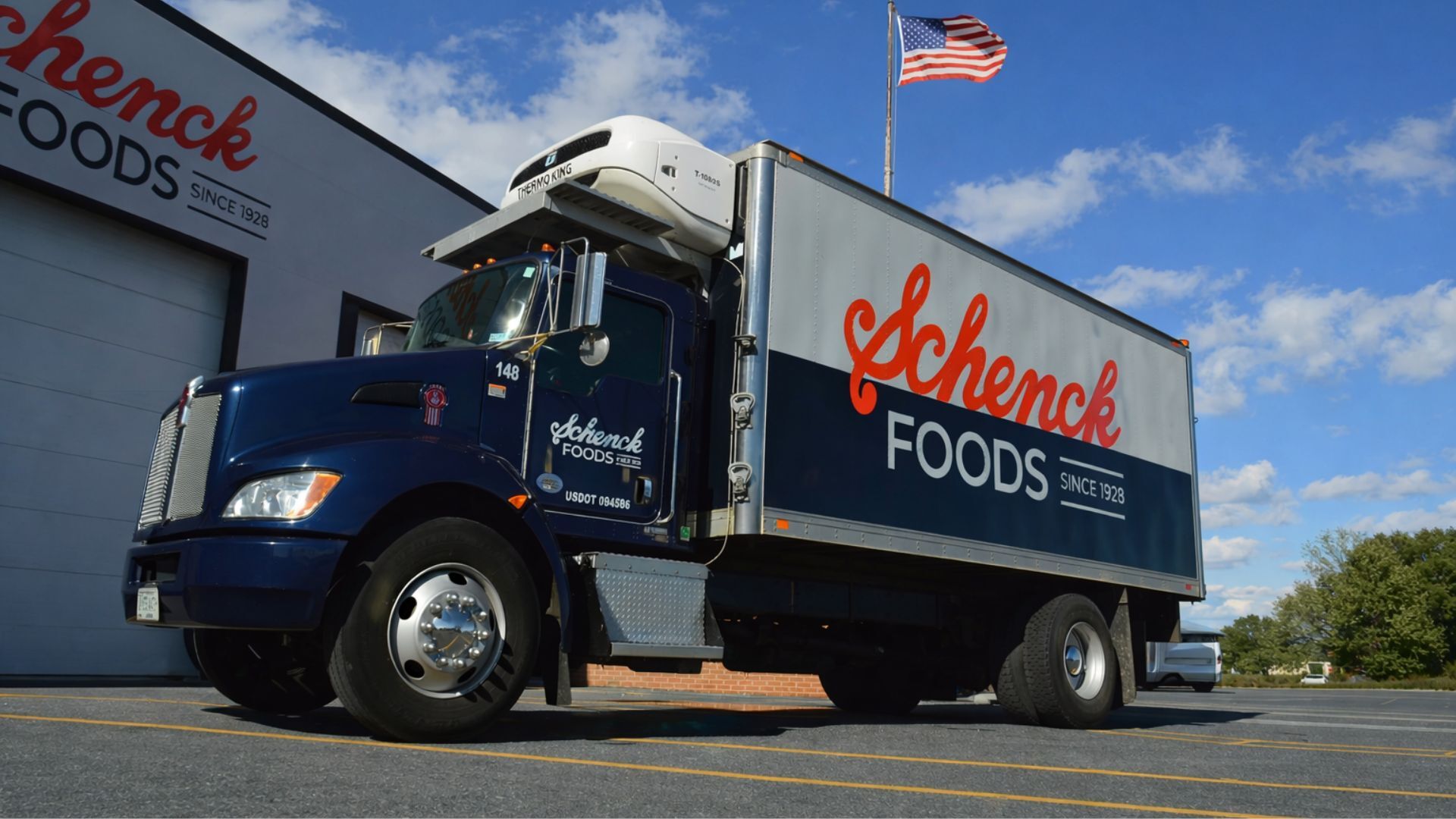
Schenck Foods Drives Focused Growth and Sales Rep Productivity with Pepper’s Growth Agent
Schenck Foods, a broadline distributor, achieved double-digit incremental case growth and increased sales rep productivity using Pepper’s data-backed Growth Agent platform.

Key Outcomes
High-Confidence, Data-Backed Sales Focus
Pepper’s Growth Agent pinpoints customers already buying the category but not the brand, helping reps prioritize leads most likely to convert.
Measurable Incremental Growth for both Supplier and Distributor
Supplier-funded incentives tied to incremental cases delivered clear, trackable growth above baseline, including double-digit gains during campaigns.
Faster Product Adoption Through Frictionless Sampling
Samples shipped directly from distributor inventory reached customers quickly, often driving reorders within the same week.
Increased Sales Rep Engagement and Productivity
Targeted leads, SPIFFs, and scoreboards reduced wasted effort, increased competition, and kept reps focused on high-probability wins.
See Their Stories

Meet the team

Written By
Pepper Team
Published
January 29, 2026
Category
Case Studies
Industry
Broadline
Share




.png)
.png)