



Under the RBA's reforms, businesses can no longer add a surcharge to eftpos, Visa or Mastercard payments. For distributors on Pepper, the change takes place automatically, so the option to add a fee at checkout disappears overnight. For a distributor on razor-thin margins collecting on hundreds of invoices a week, this represents a significant change in the business.
In this article we'll explain the change, why this affects food distributors the most, and options that distributors have for dealing with the fee disappearance.
Why distributors feel this more than most
Food distribution runs on high volume and thin margins, and more of that volume is moving to card every year. In fact, many distributors adopted surcharging to keep card acceptance cost-neutral - an option that is now gone.
The ban isn't limited to consumer cards. It covers debit, prepaid, consumer credit and commercial credit cards issued through the designated networks. The corporate cards your multi-unit and institutional customers use for purchasing are in scope.
To put rough numbers on it: a distributor doing A$10M a year with 30% of receivables paid by card, at a 1.5% all-in processing cost, has been recovering about A$45,000 a year through surcharges. From October, that comes out of margin unless something changes.
To offset the changes, Pepper is updating how we charge fees. Going forward, we are lowering our card rates to help distributors absorb the blow of card payments. The RBA is also cutting interchange caps, most notably on consumer credit cards from 0.8% to 0.3%.
There's No Way Around It
Some businesses will be tempted to relabel the surcharge as a "card handling fee" or a "cash discount." The RBA has been clear that this isn't an option. Renaming a surcharge as an admin or service fee doesn't avoid the ban and may count as misleading conduct under Australian consumer law. Whatever path you choose needs to be a genuine pricing decision.
Three paths forward
Build the cost into your pricing. Work the processing cost into your price files rather than adding it at the point of payment. Customers find it simple to understand. The trade-off is competitive: on commodity lines where customers compare pricing closely, a price rise may not hold.
Absorb it, and get paid faster. Card payments settle in days. An invoice on 30-day terms that stretches to 45 costs you in DSO, in AR hours spent chasing, and in cash tied up that could be in inventory. For many distributors, the processing fee is smaller than the total cost of getting paid late. Look at the full cost of collecting, not the fee in isolation.
Shift more of your payment mix to PayTo. Customers still want choice, so card isn't going anywhere. But the more convenient you make the cheaper options, the more volume moves there. In Australia, the strongest option is PayTo.
Where PayTo fits
PayTo is Australia's account-to-account payment system, launched in 2022 on the New Payments Platform. It sits outside the card networks, so the surcharge rules don't apply to it and there's no interchange.
A few things make it well suited to distributor AR:
- It settles next-day. Traditional BECS direct debit settles in one to three business days, but all transactions with Pepper settle next-day
- It confirms funds before the payment. PayTo checks account validity when the agreement is created and funds availability at the time of payment, so there are fewer failed debits.
- It sits directly in the Pepper platform. It's a low-effort switch for most distributors to have customers start adopting PayTo
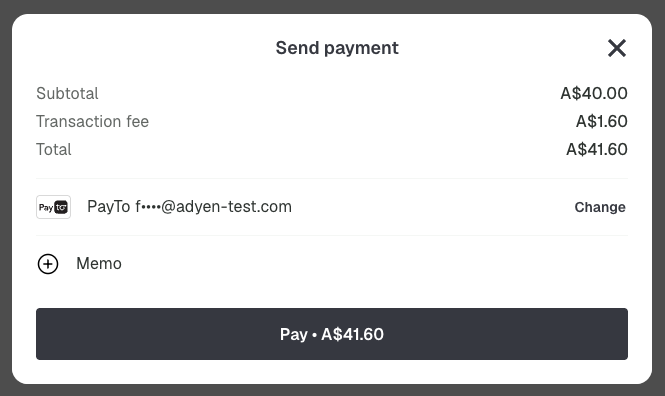
All major Australian banks support PayTo, along with most smaller banks and credit unions on the NPP. To accept it, a business needs to be sponsored as a PayTo User through its bank or payment provider.
The surcharge ban applies only to the designated card networks. PayTo sits outside them, so distributors can still pass PayTo processing fees on to customers, as long as the fee reflects the real cost and is clearly disclosed. For distributors who built their card program around surcharging, this is the closest thing to keeping that model intact.
Autopay: One payment instead of many
How you collect matters as much as which method you use. A customer who pays each invoice separately generates a processing fee on every one. Move that customer to weekly autopay, and a week of invoices clears in a single PayTo debit.
With a flat per-transaction fee, the fee shrinks as a percentage of spend as the payment gets larger. Take a restaurant receiving five deliveries a week at A$800 each. Collecting on each invoice means five fees. A single weekly debit of A$4,000 means one, cutting the fee as a share of spend by 80%. The customer gets one predictable payment, your AR team reconciles one transaction instead of five, and cash arrives on a set day.
For distributors with high-frequency accounts, weekly bulk autopay on PayTo is the lowest-cost way to get paid on time.
Practical tips for distributors
- Size your exposure. Pull card volume by customer, multiply it by your blended processing rate, and you have the margin you'll absorb. Start with your top 20 card-paying accounts, since they'll carry most of it.
- Clean up open invoices. Surcharges on unpaid invoices can't be collected on or after 1 October. Check how your ERP handles these, and collect as many as you can this week.
- Make a real pricing decision. Build the cost into your price files, or absorb it on lines where you compete hard. Don't rename the surcharge as a handling fee or cash discount.
- Brief your reps first. Customers will ask why the fee line disappeared, or why prices moved. Give reps a two-sentence answer before invoices change.
- Ask for your interchange savings. Lower interchange caps start the same day. Ask your provider in writing how much of that reaches your rate.
- Decide on PayTo fees. You can pass PayTo fees on to customers if they're cost-reflective and clearly disclosed. Update your terms before you start.
- Consolidate high-frequency accounts. Offer weekly autopay to customers taking several deliveries a week, or combine chain businesses using payment groups. One debit instead of five cuts fees.
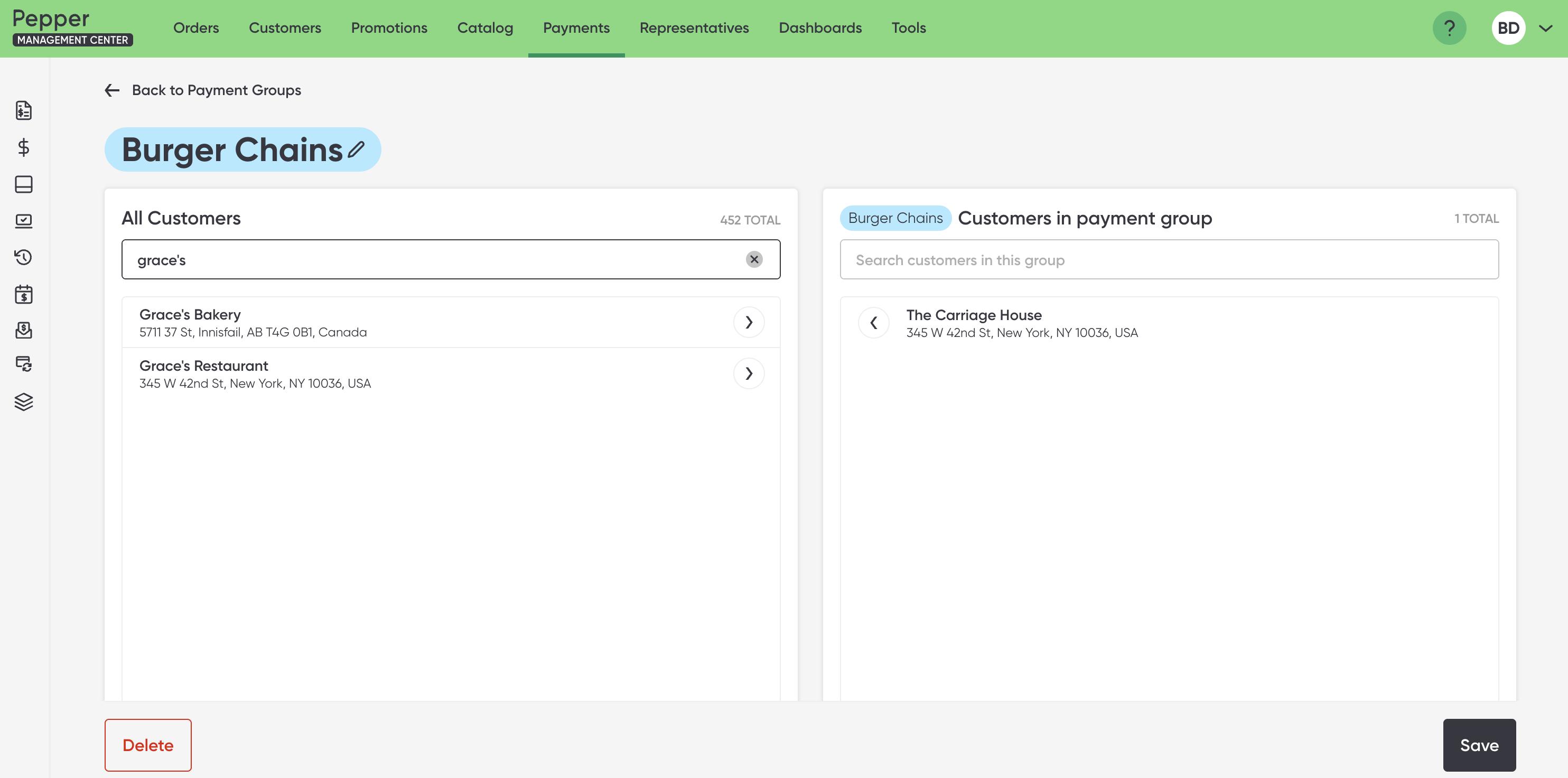
- Target your biggest card payers. Have the account manager, not AR, ask your largest card-paying customers to move to account-to-account autopay. Lead with the customer's benefits: one predictable payment and control from their own banking app.
- Measure the shift. Track card share, PayTo share and DSO monthly from October. The goal is a lower-cost payment mix without slower payment.
How Pepper helps distributors adapt
Distributors on Pepper see ordering and payment in the same place. Customers review invoices, pay and set up autopay from the same app they order from, and payments post back to the ERP without manual reconciliation. Customers can set up weekly autopay across all their open invoices, and distributors choose whether to pass PayTo fees through. When the payment options sit next to the order, it's easier to move customers toward the lower-cost ones.
The bigger picture
The surcharge ban shows how Australia's payment landscape is shifting: toward simpler pricing for customers and real-time account-to-account payments. Distributors who treat October as the moment to rethink how they get paid, rather than just a fee they now absorb, will come out ahead on both margin and cash flow.


.png)