Blog posts

From Showroom to Subscription: The New Playbook for Restaurant Supply Distributors

Restaurant equipment and supply distributors have traditionally been built on relationships: Sales reps know their customers by name, and they understand their menus, their kitchens, their budgets, and the operational pressures that come with running a restaurant.

For decades, that relationship-driven model was enough to win, but the way restaurants buy has fundamentally changed. 

Operators have less time, purchasing is more digital, and national eCommerce players have set a new baseline for convenience. The result is a growing gap between how distributors sell and how restaurants expect to buy. To stay competitive and protect long-term account value, distributors need to modernize - Not by abandoning relationships, but by building a growth engine around them.

The Distribution Model That Built the Industry Is Evolving

Core Restaurant Supply Revenue Streams

Most restaurant equipment and supply distributors operate across three core revenue streams

  • Kitchen buildout and design (large, custom projects with long sales cycles)
  • Heavy equipment sales and parts (high-ticket purchases, often relationship-driven)
  • Smallwares, tabletop, disposables, and countertop items (high-frequency, recurring purchases)

The first category, largescale kitchen buildouts, is often the largest and most complex. These are custom, high-touch projects that require onsite work, long timelines, and deep collaboration between the distributor and the customer.

But while buildouts generate major revenue, they are inherently project-based.

The real long-term growth opportunity sits in the other two buckets: equipment and smallwares. These are the products restaurants continue buying long after the buildout is complete. They’re also where distributors have the most leverage to drive repeat purchases and recurring revenue.

The Showroom Model Needs to Evolve

Many distributors still depend on showroom traffic and sales reps as the primary path to order volume, but the business model is under pressure.

Restaurant supply showrooms are still a popular way to sell product

Foot traffic is down, and with margins getting squeezed restaurant operators are busier than ever. Showroom hours often overlap with peak restaurant operating hours, making it inconvenient for customers to shop in person. And even when customers do come in, they’re often overwhelmed by the number of SKUs available.

In a warehouse stocked with tens of thousands of items, the buying experience becomes inefficient:

  • Customers don’t have time to browse
  • They don’t know what else they might need
  • Sales reps can’t guide every order manually

When purchasing becomes difficult, restaurants default to what’s easiest. And increasingly, “easy” means ordering from large online retailers instead of from the distributor they already trust.

That shift doesn’t just cost a distributor a single order, it slowly drains the repeat business that makes accounts profitable over time.

The Biggest Growth Opportunity: Recurring Smallwares and Consumables

Smallwares and disposables may not be the biggest-ticket items in a distributor’s catalog, but they represent the highest-frequency purchases.

This is where distribution can create compounding growth. Restaurants consistently reorder:

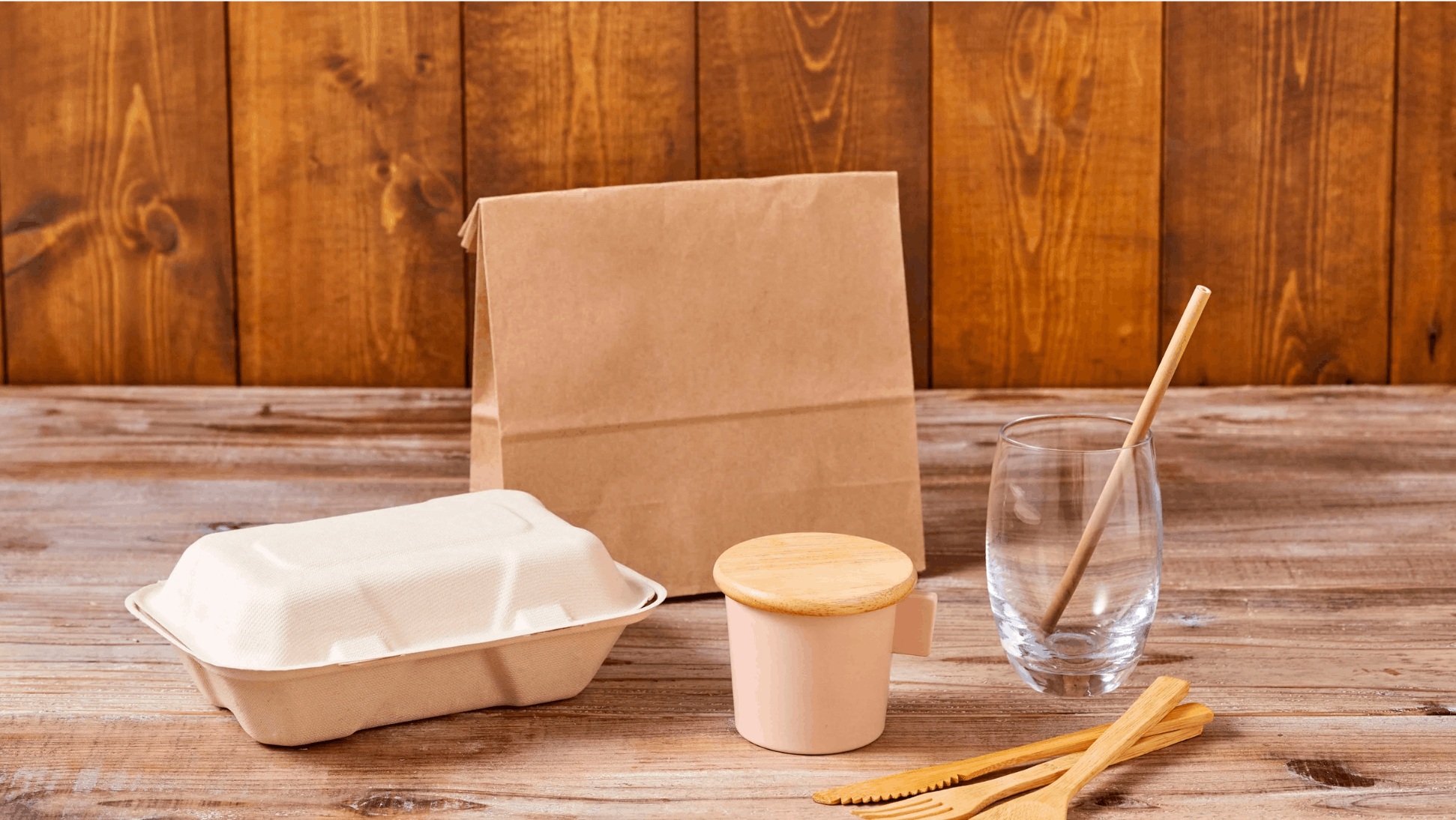
  • Takeout containers and packaging
  • Cleaning chemicals and jan-san supplies
  • Cookware and tabletop replacements
  • Countertop equipment and accessories

These are products that lend themselves to habit and routine, and in a competitive market, the distributor that owns the repeat ordering workflow is the distributor that owns the customer relationship long-term.

Growth platforms unlock this by enabling:

  • 24/7 ordering outside business hours
  • Catalog search and product discovery
  • Faster repeat ordering
  • Subscriptions and replenishment-based revenue

Instead of depending on showroom visits, distributors can turn smallwares into a predictable revenue stream that grows over time.

Why Growth Platforms Like Pepper Are Becoming Essential Infrastructure

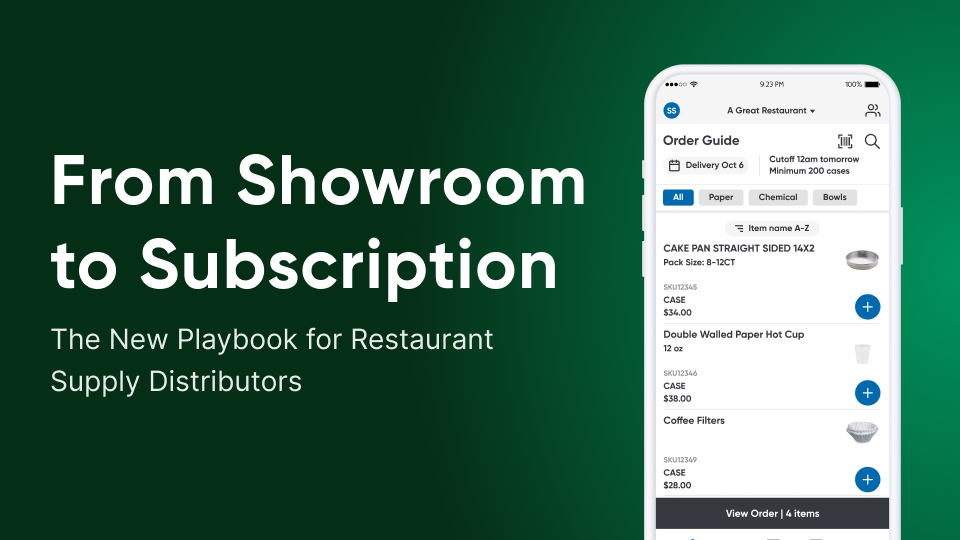
Distributors don’t lose business because their relationships are weak, they lose business because their purchasing experience is harder than the alternatives. Modern growth platforms solve that problem by giving distributors a digital foundation: online ordering, a browsable catalog, easier reordering, and subscription-driven workflows.
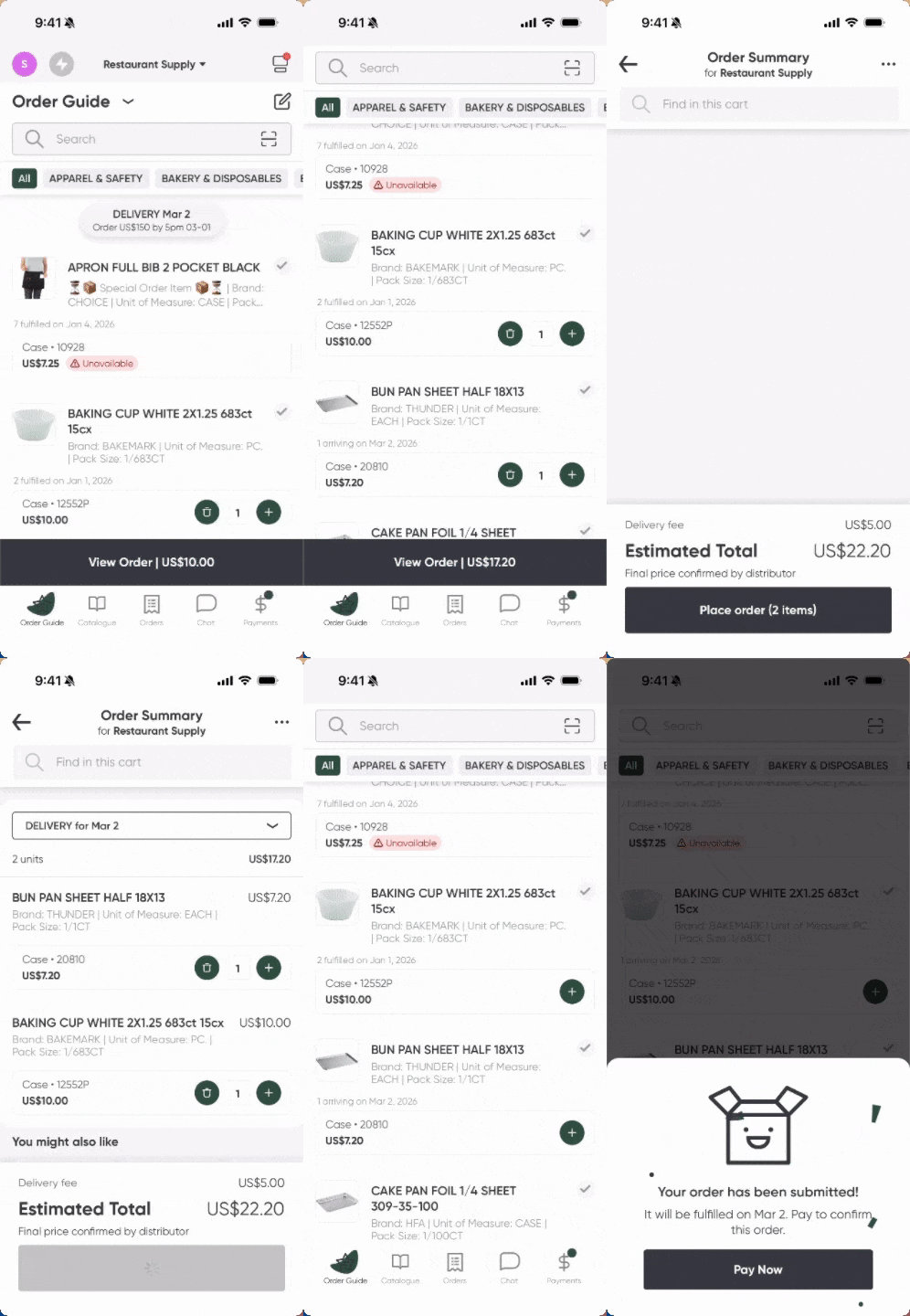
A modern experience sells more for restaurant equipment suppliers

In an industry with complex systems and fragmented tech stacks, where many distributors rely on a mix of different ERPs, order entry softwares, and quoting tools, a singular and easy-to-use customer experience is becoming increasingly important to grow the bottom line.

The goal isn’t to replace the sales rep, It’s to scale what the rep has already built.

With a growth platform in place, distributors can:

  • Capture more wallet share across existing accounts
  • Prevent customers from drifting toward online competitors
  • Increase order frequency without increasing sales overhead
  • Turn one-time equipment buyers into repeat customers

The distributors who win in the next decade will still be relationship-driven. But they’ll also be digitally enabled: Meeting customers where purchasing is headed, not where it used to be.

The new playbook is clear: the showroom can still be part of the business, but growth will come from building recurring revenue through modern ordering experiences.

No items found.

Schedule a Pepper Demo today

HOMERESOURCES
Blog posts

From Showroom to Subscription: The New Playbook for Restaurant Supply Distributors

Feb 27, 2026, Written by Heather Siegel, Director, Vertical Expansion

Restaurant equipment and supply distributors have traditionally been built on relationships: Sales reps know their customers by name, and they understand their menus, their kitchens, their budgets, and the operational pressures that come with running a restaurant.

For decades, that relationship-driven model was enough to win, but the way restaurants buy has fundamentally changed. 

Operators have less time, purchasing is more digital, and national eCommerce players have set a new baseline for convenience. The result is a growing gap between how distributors sell and how restaurants expect to buy. To stay competitive and protect long-term account value, distributors need to modernize - Not by abandoning relationships, but by building a growth engine around them.

The Distribution Model That Built the Industry Is Evolving

Core Restaurant Supply Revenue Streams

Most restaurant equipment and supply distributors operate across three core revenue streams

  • Kitchen buildout and design (large, custom projects with long sales cycles)
  • Heavy equipment sales and parts (high-ticket purchases, often relationship-driven)
  • Smallwares, tabletop, disposables, and countertop items (high-frequency, recurring purchases)

The first category, largescale kitchen buildouts, is often the largest and most complex. These are custom, high-touch projects that require onsite work, long timelines, and deep collaboration between the distributor and the customer.

But while buildouts generate major revenue, they are inherently project-based.

The real long-term growth opportunity sits in the other two buckets: equipment and smallwares. These are the products restaurants continue buying long after the buildout is complete. They’re also where distributors have the most leverage to drive repeat purchases and recurring revenue.

The Showroom Model Needs to Evolve

Many distributors still depend on showroom traffic and sales reps as the primary path to order volume, but the business model is under pressure.

Restaurant supply showrooms are still a popular way to sell product

Foot traffic is down, and with margins getting squeezed restaurant operators are busier than ever. Showroom hours often overlap with peak restaurant operating hours, making it inconvenient for customers to shop in person. And even when customers do come in, they’re often overwhelmed by the number of SKUs available.

In a warehouse stocked with tens of thousands of items, the buying experience becomes inefficient:

  • Customers don’t have time to browse
  • They don’t know what else they might need
  • Sales reps can’t guide every order manually

When purchasing becomes difficult, restaurants default to what’s easiest. And increasingly, “easy” means ordering from large online retailers instead of from the distributor they already trust.

That shift doesn’t just cost a distributor a single order, it slowly drains the repeat business that makes accounts profitable over time.

The Biggest Growth Opportunity: Recurring Smallwares and Consumables

Smallwares and disposables may not be the biggest-ticket items in a distributor’s catalog, but they represent the highest-frequency purchases.

This is where distribution can create compounding growth. Restaurants consistently reorder:

  • Takeout containers and packaging
  • Cleaning chemicals and jan-san supplies
  • Cookware and tabletop replacements
  • Countertop equipment and accessories

These are products that lend themselves to habit and routine, and in a competitive market, the distributor that owns the repeat ordering workflow is the distributor that owns the customer relationship long-term.

Growth platforms unlock this by enabling:

  • 24/7 ordering outside business hours
  • Catalog search and product discovery
  • Faster repeat ordering
  • Subscriptions and replenishment-based revenue

Instead of depending on showroom visits, distributors can turn smallwares into a predictable revenue stream that grows over time.

Why Growth Platforms Like Pepper Are Becoming Essential Infrastructure

Distributors don’t lose business because their relationships are weak, they lose business because their purchasing experience is harder than the alternatives. Modern growth platforms solve that problem by giving distributors a digital foundation: online ordering, a browsable catalog, easier reordering, and subscription-driven workflows.

A modern experience sells more for restaurant equipment suppliers

In an industry with complex systems and fragmented tech stacks, where many distributors rely on a mix of different ERPs, order entry softwares, and quoting tools, a singular and easy-to-use customer experience is becoming increasingly important to grow the bottom line.

The goal isn’t to replace the sales rep, It’s to scale what the rep has already built.

With a growth platform in place, distributors can:

  • Capture more wallet share across existing accounts
  • Prevent customers from drifting toward online competitors
  • Increase order frequency without increasing sales overhead
  • Turn one-time equipment buyers into repeat customers

The distributors who win in the next decade will still be relationship-driven. But they’ll also be digitally enabled: Meeting customers where purchasing is headed, not where it used to be.

The new playbook is clear: the showroom can still be part of the business, but growth will come from building recurring revenue through modern ordering experiences.

Latest Posts
From Showroom to Subscription: The New Playbook for Restaurant Supply Distributors
Pepper’s $50M Series C: Building the Next Generation of Technology for Food Distribution
Where Growth Is for C-Store Distributors in 2026
Selling Digitally With AI: How Jordano’s Is Winning More Business and Pulling Ahead of the Big Guys
Schedule a Demo
Come see why hundreds of independent food distributors have chosen Pepper to power their eCommerce needs.
Schedule Demo

Stay Ahead with Timely Updates

Sign Up for the Latest News and Innovations Shaping the Foodservice Industry.