Events

Where Growth Is for C-Store Distributors in 2026

If you’ve been paying attention to what’s happening inside convenience stores, you already know the punchline:

C-stores aren’t really “just” C-stores anymore.

That’s the core theme of our latest webinar, Where Growth Is for C-Store Distributors, where I sat down with my good friend Jeff Stomel from ProCat Distribution Technologies to talk through what we’re seeing, what’s changing, and where the real opportunity is heading into 2026.

Check out the recording above, and if you’re the “give me the highlights first” type, here you go.

The shift is simple: fuel-first is waning, foodservice is winning

For a long time, the C-store growth engine was straightforward: fuel + tobacco + packaged goods.

That world is changing.

  • Fuel economics are softer than they used to be (and the long-term trend line isn’t exactly screaming “comeback”).
  • In-store experience is evolving fast.
  • And foodservice is now a meaningful slice of the pie for a lot of retailers.

The big headline: foodservice has crept into the C-store business in a very real way, with fresh options, made-to-order, healthier grab-and-go, all of it. Maybe you’ve had the experience of walking into a Wawa or a Sheetz and thought, “Wait… I can get a legit meal here?

As foodservice becomes a bigger deal in the store, it becomes a bigger deal in the supply chain that feeds it.

Foodservice changes the distributor playbook (front of house and back of house)

Here’s the part that matters for distributors:

The opportunity is real… but the execution is different.

This isn’t a world where you can just roll in, scan the shelf, hit the restock button, and call it a day. Foodservice pulls you into new product categories, new expectations, and new operational demands.

Jeff and I kept coming back to four pressure points that are defining 2026 for C-store distributors:

1) Cold chain complexity

Fresh and frozen foodservice items introduce:

  • Multiple temp zones (freezer / cooler / ambient)
  • Different storage requirements
  • Different transportation needs
  • Faster turns and tighter timelines

Candy bars forgive mistakes. Lettuce does not.

2) New labor realities

As warehouses modernize (or are forced to), the skill set changes:

  • More scanning, less paper
  • More process discipline
  • More accountability tied to data

3) Technology investment is no longer optional

And I don’t just mean “some software.”

I mean: real systems that reduce errors, speed up workflows, and give you visibility into what’s actually happening.

4) FSMA 204 is around the corner

If you’re selling into categories that fall under FSMA’s traceability requirements, lot codes, expiration dates, and recall-ready reporting become table stakes.

Jeff put it bluntly: if your traceability plan is “paper in a binder,” you’re going to have a bad time when the clock is ticking.

Back of house: accuracy is the new growth lever

One of Jeff’s strongest points was this:

When you invest in warehouse tech that reduces cost and errors, those savings hit the bottom line immediately.

A few practical examples we covered:

  • Receiving with barcode scanning to prevent wrong quantities, wrong items, and expired product entering inventory
  • Lot code + expiration tracking so recalls and short-dated risk don’t become fires
  • Pick verification (scan outbound) to eliminate mis-picks and reduce credits
  • Real-time productivity data so “who’s your best picker?” isn’t folklore—it’s measurable

And the downstream impact matters: better accuracy means happier stores, fewer credits, fewer emergency runs, fewer phone calls, fewer “we didn’t get the thing we needed” moments that kill a foodservice program.

When a store is trying to run a fresh menu, one missed key item can take an entire offering offline.

Front of house: consultative selling only works if reps have time to sell

This is where I get fired up, because I’ve lived this world.

As C-stores expand foodservice, the sales role has to expand with it. “Order taker” doesn’t cut it anymore. The rep needs to be able to help operators think through:

  • Product mix and merchandising
  • Menu engineering
  • Food cost realities
  • Labor-saving products and workflows
  • Promos and what’s actually moving

But here’s the problem: a lot of reps are stuck doing non-value work—and one of the biggest offenders is chasing payments.

We talked about a better model:

  • Digital storefront / broader catalog visibility (so customers can discover what you carry)
  • Easy order entry (for the rep or the operator)
  • Payments tied into the same workflow (so the rep isn’t stuck being the collections department)

When reps aren’t trapped in admin work, they can actually become the support system the operator needs—especially as stores evolve into “mini foodservice operators” themselves.

A quick real-world example: growth happens when the stack connects

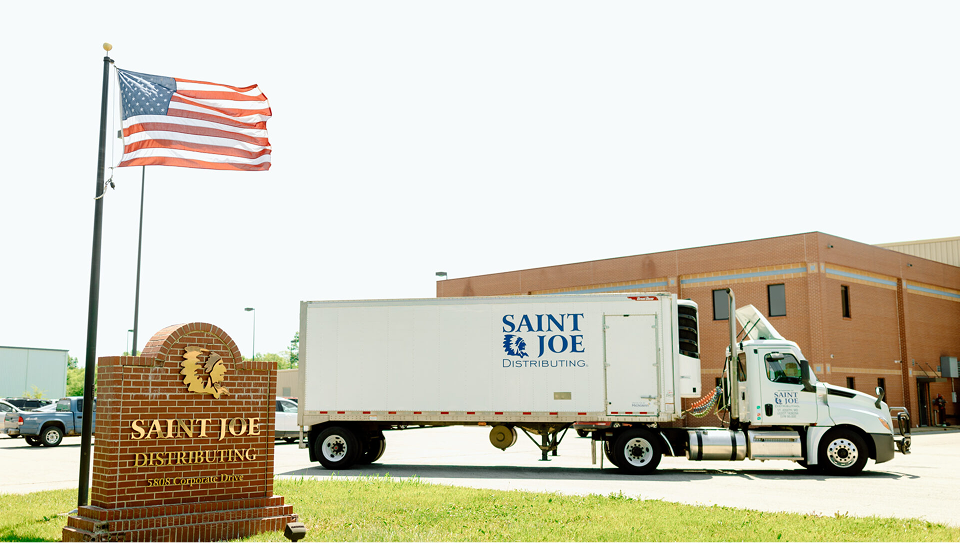
I mentioned a conversation with Dale at St. Joe’s Distributing and how they’ve been leaning into a more modern motion—expanding what customers can see and buy, while tightening the workflows behind it.

Jeff shared that St. Joe’s has been strong operationally for years, and they’re continuing to add tools (including delivery capabilities) to scale what’s working.

That’s the theme: growth gets easier when the systems talk to each other—front of house and back of house.

The takeaway: 2026 is winnable… for distributors who lean in

The distributors who win in 2026 will be the ones who:

  • Treat foodservice as a true growth engine (not a side quest)
  • Modernize warehouse workflows for traceability + accuracy
  • Give reps tools that create time for consultative selling
  • Build a buying experience that matches how operators actually shop today

So, if you’re a distributor serving this space, you’ve got a real shot to grow, but only if you can execute with the speed and precision that the new model demands.

No items found.

Schedule a Pepper Demo today

Where Growth Is for C-Store Distributors in 2026

Feb 13, 2026, Written by Jason Gunn

If you’ve been paying attention to what’s happening inside convenience stores, you already know the punchline:

C-stores aren’t really “just” C-stores anymore.

That’s the core theme of our latest webinar, Where Growth Is for C-Store Distributors, where I sat down with my good friend Jeff Stomel from ProCat Distribution Technologies to talk through what we’re seeing, what’s changing, and where the real opportunity is heading into 2026.

Check out the recording above, and if you’re the “give me the highlights first” type, here you go.

The shift is simple: fuel-first is waning, foodservice is winning

For a long time, the C-store growth engine was straightforward: fuel + tobacco + packaged goods.

That world is changing.

  • Fuel economics are softer than they used to be (and the long-term trend line isn’t exactly screaming “comeback”).
  • In-store experience is evolving fast.
  • And foodservice is now a meaningful slice of the pie for a lot of retailers.

The big headline: foodservice has crept into the C-store business in a very real way, with fresh options, made-to-order, healthier grab-and-go, all of it. Maybe you’ve had the experience of walking into a Wawa or a Sheetz and thought, “Wait… I can get a legit meal here?

As foodservice becomes a bigger deal in the store, it becomes a bigger deal in the supply chain that feeds it.

Foodservice changes the distributor playbook (front of house and back of house)

Here’s the part that matters for distributors:

The opportunity is real… but the execution is different.

This isn’t a world where you can just roll in, scan the shelf, hit the restock button, and call it a day. Foodservice pulls you into new product categories, new expectations, and new operational demands.

Jeff and I kept coming back to four pressure points that are defining 2026 for C-store distributors:

1) Cold chain complexity

Fresh and frozen foodservice items introduce:

  • Multiple temp zones (freezer / cooler / ambient)
  • Different storage requirements
  • Different transportation needs
  • Faster turns and tighter timelines

Candy bars forgive mistakes. Lettuce does not.

2) New labor realities

As warehouses modernize (or are forced to), the skill set changes:

  • More scanning, less paper
  • More process discipline
  • More accountability tied to data

3) Technology investment is no longer optional

And I don’t just mean “some software.”

I mean: real systems that reduce errors, speed up workflows, and give you visibility into what’s actually happening.

4) FSMA 204 is around the corner

If you’re selling into categories that fall under FSMA’s traceability requirements, lot codes, expiration dates, and recall-ready reporting become table stakes.

Jeff put it bluntly: if your traceability plan is “paper in a binder,” you’re going to have a bad time when the clock is ticking.

Back of house: accuracy is the new growth lever

One of Jeff’s strongest points was this:

When you invest in warehouse tech that reduces cost and errors, those savings hit the bottom line immediately.

A few practical examples we covered:

  • Receiving with barcode scanning to prevent wrong quantities, wrong items, and expired product entering inventory
  • Lot code + expiration tracking so recalls and short-dated risk don’t become fires
  • Pick verification (scan outbound) to eliminate mis-picks and reduce credits
  • Real-time productivity data so “who’s your best picker?” isn’t folklore—it’s measurable

And the downstream impact matters: better accuracy means happier stores, fewer credits, fewer emergency runs, fewer phone calls, fewer “we didn’t get the thing we needed” moments that kill a foodservice program.

When a store is trying to run a fresh menu, one missed key item can take an entire offering offline.

Front of house: consultative selling only works if reps have time to sell

This is where I get fired up, because I’ve lived this world.

As C-stores expand foodservice, the sales role has to expand with it. “Order taker” doesn’t cut it anymore. The rep needs to be able to help operators think through:

  • Product mix and merchandising
  • Menu engineering
  • Food cost realities
  • Labor-saving products and workflows
  • Promos and what’s actually moving

But here’s the problem: a lot of reps are stuck doing non-value work—and one of the biggest offenders is chasing payments.

We talked about a better model:

  • Digital storefront / broader catalog visibility (so customers can discover what you carry)
  • Easy order entry (for the rep or the operator)
  • Payments tied into the same workflow (so the rep isn’t stuck being the collections department)

When reps aren’t trapped in admin work, they can actually become the support system the operator needs—especially as stores evolve into “mini foodservice operators” themselves.

A quick real-world example: growth happens when the stack connects

I mentioned a conversation with Dale at St. Joe’s Distributing and how they’ve been leaning into a more modern motion—expanding what customers can see and buy, while tightening the workflows behind it.

Jeff shared that St. Joe’s has been strong operationally for years, and they’re continuing to add tools (including delivery capabilities) to scale what’s working.

That’s the theme: growth gets easier when the systems talk to each other—front of house and back of house.

The takeaway: 2026 is winnable… for distributors who lean in

The distributors who win in 2026 will be the ones who:

  • Treat foodservice as a true growth engine (not a side quest)
  • Modernize warehouse workflows for traceability + accuracy
  • Give reps tools that create time for consultative selling
  • Build a buying experience that matches how operators actually shop today

So, if you’re a distributor serving this space, you’ve got a real shot to grow, but only if you can execute with the speed and precision that the new model demands.

Latest Posts
Where Growth Is for C-Store Distributors in 2026
Selling Digitally With AI: How Jordano’s Is Winning More Business and Pulling Ahead of the Big Guys
Turning Payments Into a Growth Engine for Distributors
AI in Foodservice: Distributor Spotlight on Merit Foods of Arizona
Schedule a Demo
Come see why hundreds of independent food distributors have chosen Pepper to power their eCommerce needs.
Schedule Demo

Stay Ahead with Timely Updates

Sign Up for the Latest News and Innovations Shaping the Foodservice Industry.